What Is FBA? An Opportunity To Expand For Vietnamese Businesses
Amazon is the world's largest cross-border e-commerce marketplace. To sell successfully on Amazon, businesses need to understand what FBA is, how it works, and whether it is the right fulfillment model for their products. This article covers the key information sellers should know before getting started.
1. What is FBA?
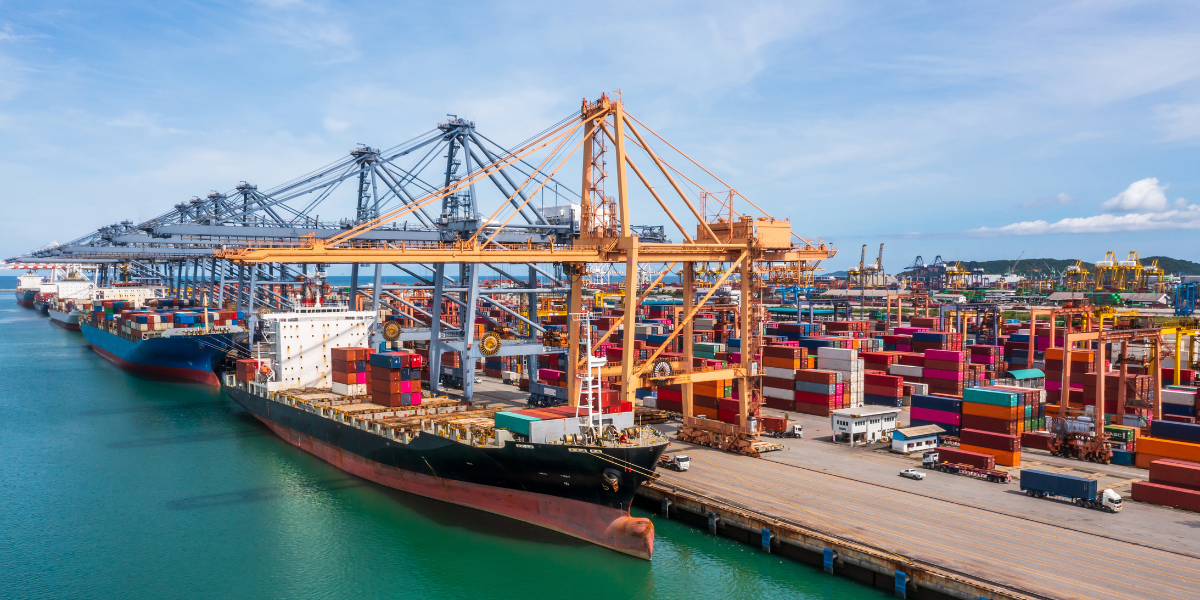
FBA (Fulfillment by Amazon) is a fulfillment service that allows sellers to store products in Amazon's global network of fulfillment centers. Amazon then handles warehousing, order processing, packing, shipping, customer service, and returns on behalf of the seller.
By outsourcing logistics to Amazon, businesses can reduce operational workloads and leverage Amazon's distribution network to reach customers in international markets more efficiently.
FBA differs from FBM (Fulfilled by Merchant), where sellers manage storage and fulfillment themselves. With FBA, Amazon takes responsibility for post-purchase logistics while sellers pay fulfillment and storage fees based on product size, weight, and inventory volume.
2. How does FBA work?
To use FBA effectively, sellers need to understand both the fulfillment process and Amazon's requirements for inventory preparation.
2.1. From a warehouse in Vietnam to international customers
Understanding how FBA works helps sellers prepare inventory more efficiently and manage their Amazon operations with greater confidence.
The process generally follows these steps:
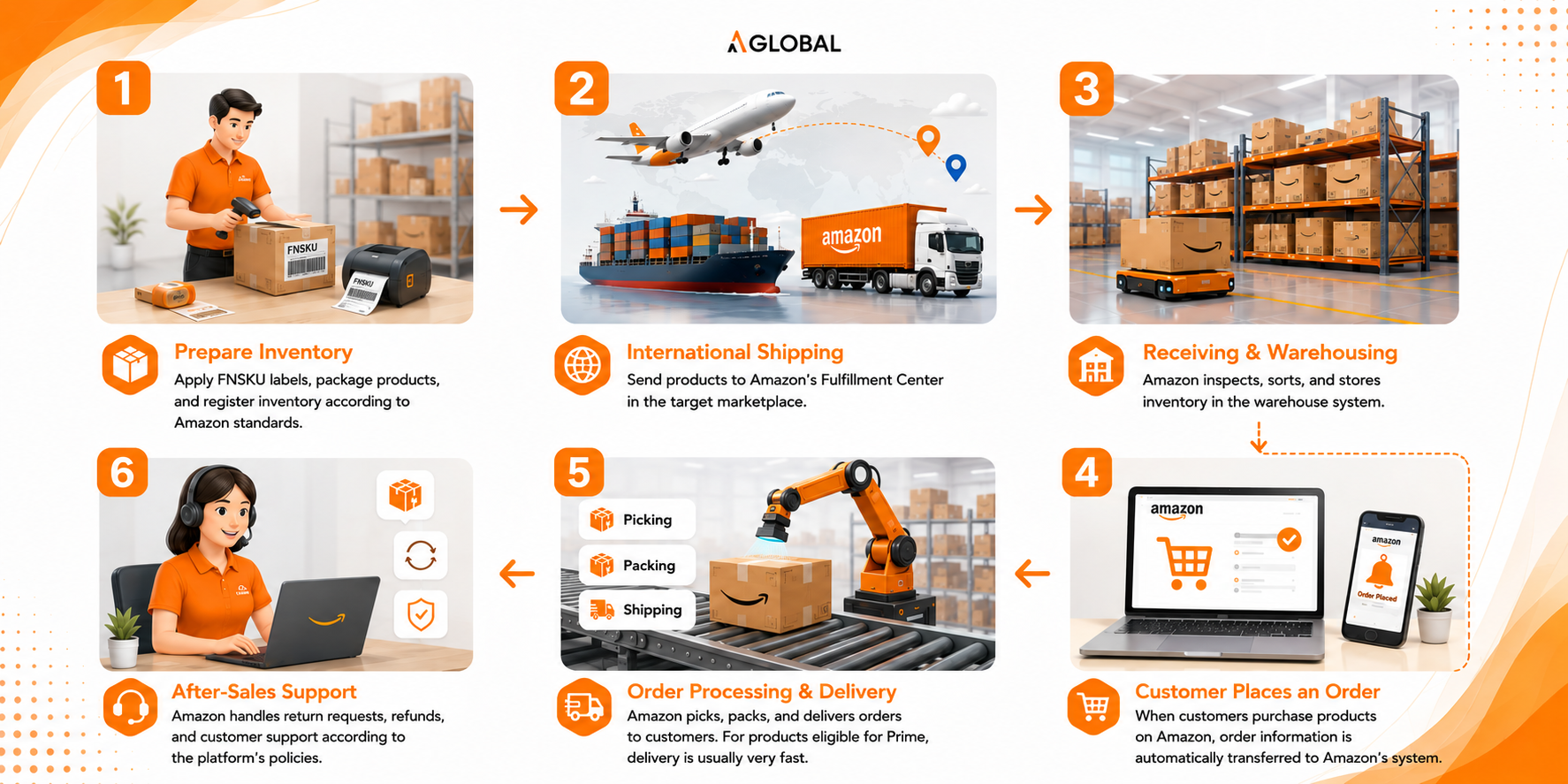
A clear understanding of this process allows sellers to plan inventory more accurately, estimate replenishment timelines, and improve operational efficiency.
2.2. Requirements for joining FBA
Before enrolling in FBA, sellers must meet several requirements to ensure smooth fulfillment operations.
- Have a valid Amazon Seller account and complete all required verification steps.
- Sell products that comply with Amazon's policies and restricted-product guidelines.
- Follow Amazon's FBA packaging and labeling requirements before shipping inventory.
- Prepare all export and customs documentation required for international shipping.
- Maintain an inventory management plan to avoid stockouts and unnecessary storage costs.
3. Why do Vietnamese sellers choose FBA?
Thanks to Amazon's global logistics infrastructure, FBA has become a popular option for Vietnamese businesses looking to expand into international markets.
3.1. Easier access to global markets
One of the biggest advantages of FBA is the ability to reach customers in multiple countries without building a dedicated overseas logistics network.
In addition, many FBA products qualify for Amazon Prime, allowing sellers to offer faster delivery and improve visibility among frequent Amazon shoppers.
3.2. Greater trust and stronger conversion rates
The "Fulfilled by Amazon" badge helps products compete more effectively with established international brands by increasing customer confidence in delivery reliability.
FBA can also improve the likelihood of winning the Buy Box, the highly visible purchase position that generates a significant share of sales on Amazon.
According to the experience of many sellers, FBA listings often achieve conversion rates that are approximately 20-25% higher than comparable FBM listings under similar conditions.
3.3. Better operational efficiency and scalability
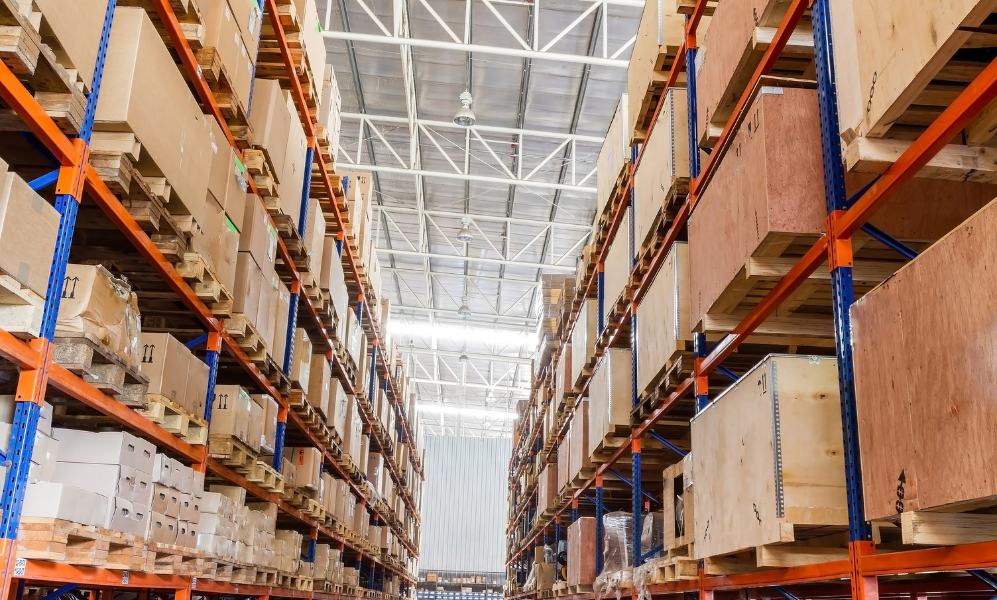
FBA reduces the workload associated with storage, packing, shipping, and returns management. Instead of building a logistics infrastructure overseas, businesses can take advantage of Amazon's existing fulfillment network.
As a result, orders can be processed more consistently during high-demand periods such as Prime Day and Black Friday, allowing sellers to focus on inventory planning, product optimization, and brand growth.
4. Understanding FBA fees and how to manage them
To evaluate profitability accurately, sellers need to understand the fees involved in FBA operations.
4.1. Main FBA fees
There are three primary FBA fees:
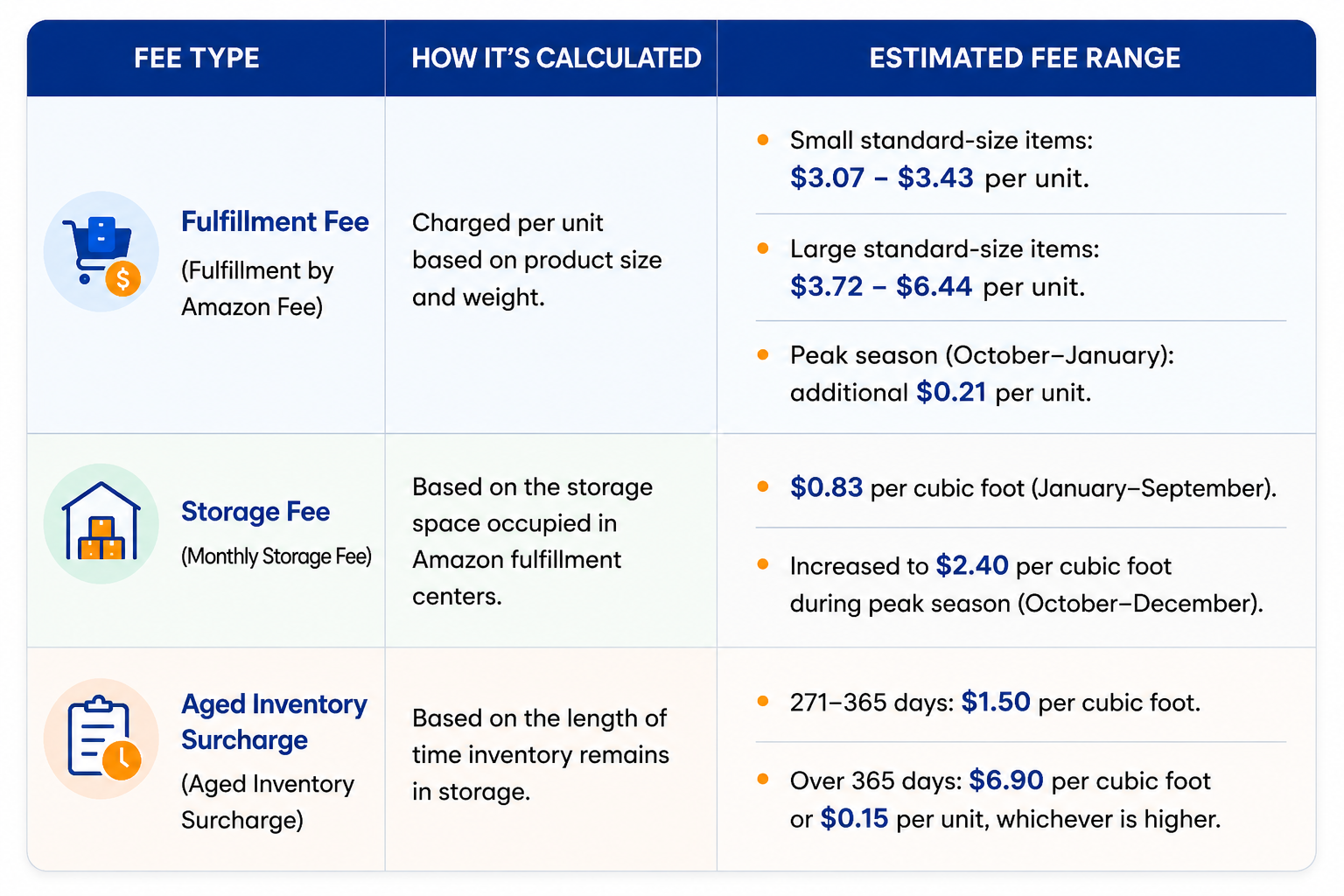
Note: Fee structures are subject to change. Sellers should review the latest pricing information in Amazon Seller Central before calculating product margins.
4.2. Risks of poor cost management
Failing to monitor FBA costs can significantly reduce profitability, even when sales continue to grow.
Long-term inventory storage
Slow-moving inventory may incur additional long-term storage fees.
Higher storage costs during peak seasons
Storage rates typically increase during the holiday season when warehouse demand is highest.
Low-margin products
Large or bulky products may generate fulfillment costs that consume a significant portion of profit margins.
To minimize these risks, sellers should calculate costs carefully, monitor inventory performance regularly, and develop replenishment plans based on market demand.
5. Conclusion
Understanding what FBA is is only the first step. The more important consideration is whether this model is suitable for your products and the resources available to your business.
FBA is most effective for products with fast inventory turnover, compact dimensions, and profit margins that remain attractive after fees are deducted. Conversely, bulky or slow-moving products require careful evaluation before being placed in Amazon warehouses.
Before getting started, it is worth reviewing a few key questions: Does your product comply with Amazon's policies? What is the fee structure for each SKU? And is your inventory plan prepared for the peak selling season?
Partner with us to grow your Amazon business effectively.
Connect here to receive your free 1-on-1 consultation with AGlobal’s top experts.