Detailed Guide: What You Need to Know About Printing Customs Barcodes
Want to speed up customs clearance and minimize procedural errors? Printing customs barcodes correctly and in compliance with regulations is one of the key factors that every import-export business should understand.
1. What is a customs barcode?
A customs barcode is a barcode generated by the electronic customs system and printed on declarations or goods delivery/receipt documents for import–export shipments. This barcode contains identification information of the declaration, allowing customs authorities and port operators to quickly retrieve data via barcode scanning systems.
A customs barcode does not replace other import–export documents, but it simplifies inspection and data verification processes, thereby accelerating customs clearance procedures. As a result, businesses can reduce errors and improve logistics efficiency.
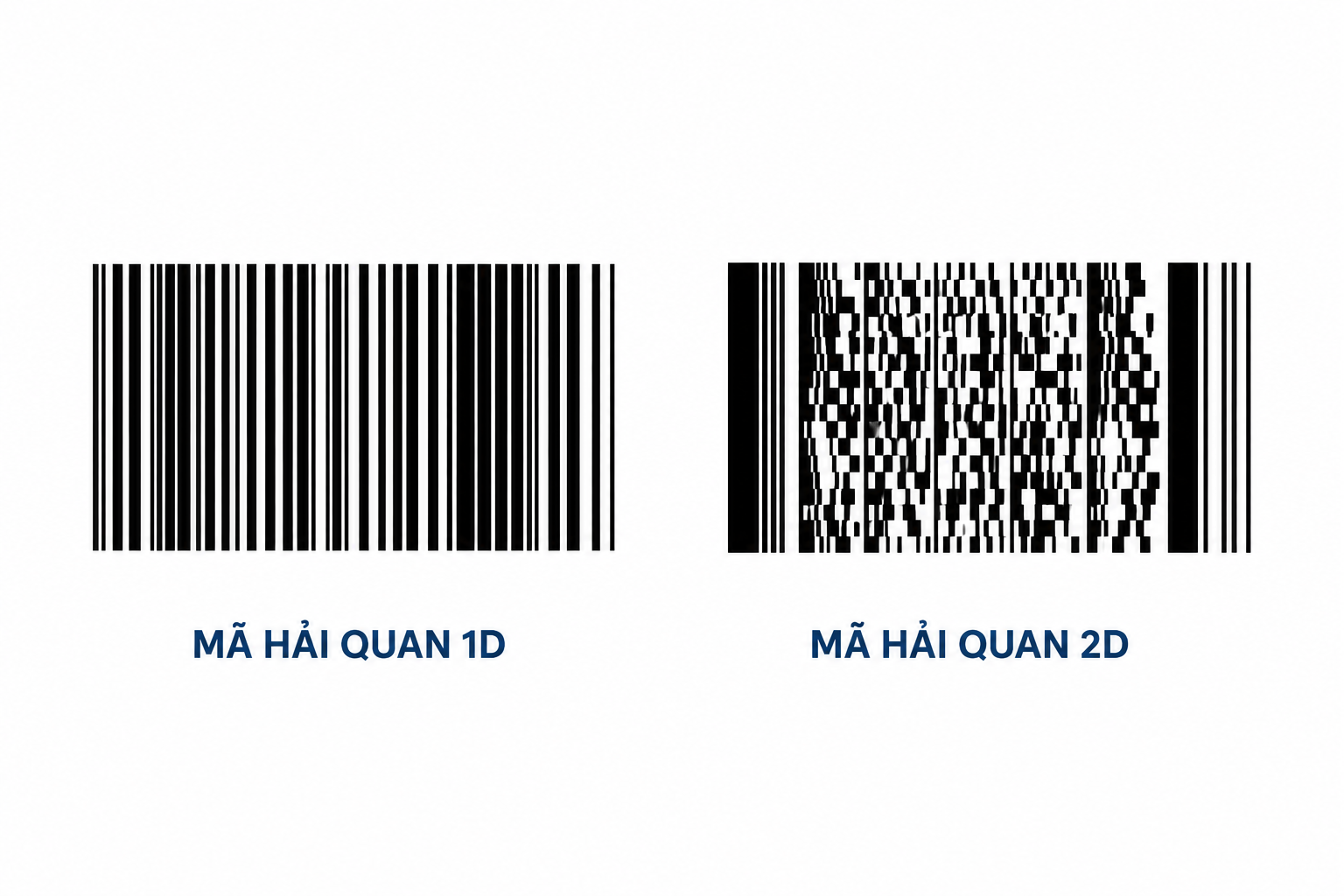
Common customs barcode formats:
-
Code 128 / GS1-128 (1D barcode): Encodes tracking numbers or shipment identifiers. It offers fast scanning speed and is suitable for logistics conveyor systems.
-
PDF417 (stacked 2D barcode): Stores large amounts of textual data, commonly used on customs documents and international shipping labels.
2. Why is it necessary to print customs barcodes before shipping?
Many businesses consider printing customs barcodes a simple administrative step. In reality, it is a critical data quality control step in the import–export chain.
There are four key reasons:
-
Ensuring compliance with import–export regulations: Meets customs requirements for cargo identification and management, reducing the risk of declaration errors. Violations may result in goods being held for inspection, incurring storage costs or clearance delays.
-
Shortening customs clearance time: Barcodes allow customs officers to quickly retrieve and verify information, reducing processing time and minimizing manual checks.
-
Improving traceability: Businesses can easily track shipment routes, check cargo status, and scan barcodes when verifying information.
-
Enhancing logistics efficiency: Helps manage goods more accurately, reduces document loss, and optimizes international shipping processes.
3. Important notes when printing customs barcodes
The following points help businesses reduce errors when printing customs barcodes and ensure smooth clearance processes.
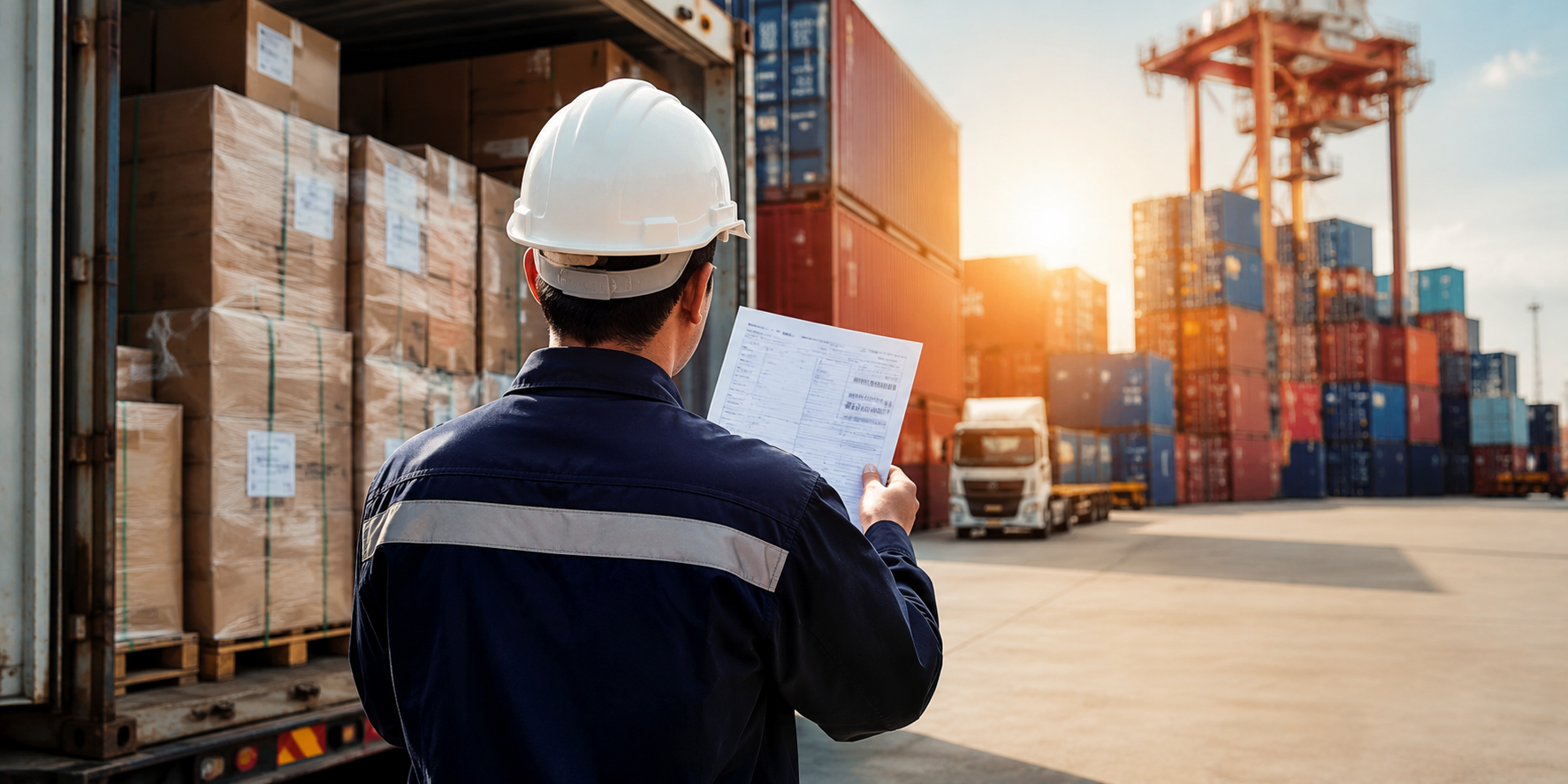
3.1. Ensure accurate barcode information
-
HS Code (Harmonized System Code): An international product classification system consisting of 6 to 10 digits. It determines the correct tariff rates and regulatory policies.
-
Declared value of goods: Must reflect the actual transaction value under shipping terms (FOB, CIF, EXW). Underreporting value to reduce import tax is a violation of international customs law.
-
Country of origin: Directly affects import duties and trade defense measures. It is important to distinguish between preferential and non-preferential origin.
-
Product description: Must clearly state the product name and characteristics in English. Avoid vague descriptions that hinder inspection, verification, and classification.
3.2. Pay attention to print quality and scan readability
Barcodes must be printed clearly, at the correct size, and with high contrast to ensure scanners can accurately read them. If the barcode is blurred, smudged, or partially missing, inspection and data verification may be interrupted, leading to delays in customs clearance.
3.3. Check barcodes before shipment
Before shipping, businesses should verify that barcodes can be scanned correctly and display accurate information. This step helps detect errors such as incorrect data, blurred printing, or unreadable codes.
Verification can be done using barcode scanners or mobile applications. A clear and accurate barcode ensures smoother inspection, verification, and customs clearance processes.
4. How to optimize customs barcode printing processes for businesses
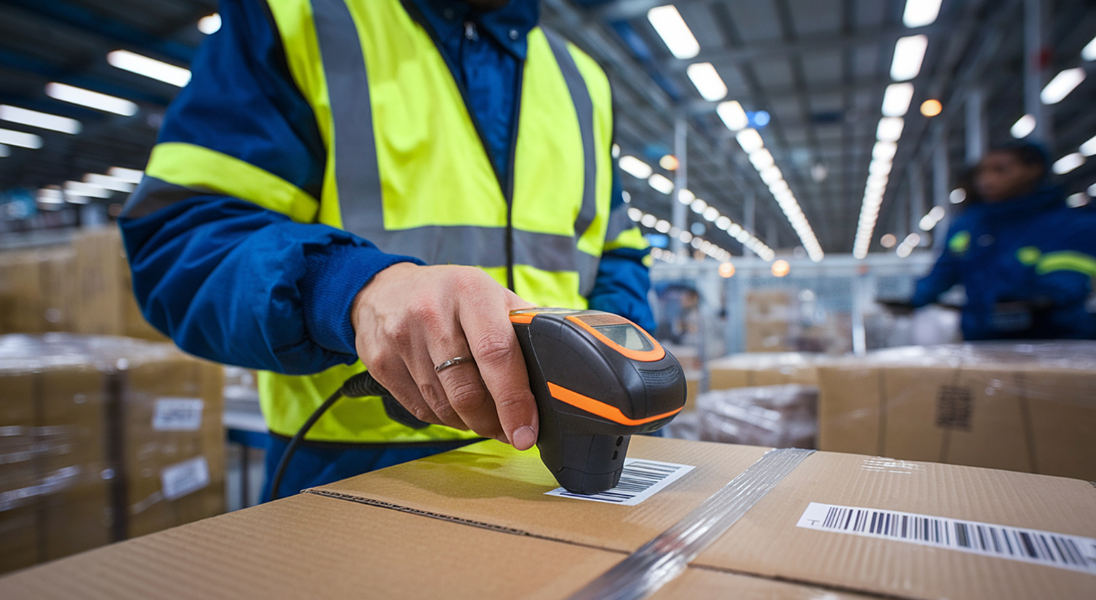
In addition to correct printing standards, businesses should optimize their customs barcode printing workflow to minimize errors and ensure smooth cargo processing.
4.1. Standardize data before printing
Data quality determines the effectiveness of customs barcodes. Before printing, businesses must carefully review product information, origin details, and declaration data to ensure consistency. This reduces errors during declaration and facilitates smoother data verification.
4.2. Integrate barcode checking into cargo inspection workflows
Barcode checking should be conducted at multiple stages to promptly detect errors:
-
After printing: Check scanability and data accuracy.
-
After labeling: Ensure labels are not wrinkled, faded, or obscured.
-
Before shipment: Reconcile barcodes with documentation to minimize errors during transport and customs clearance.
4.3. Establish a consistent barcode control process
Each shipment should follow a unified workflow from data creation, customs barcode printing, to barcode checking before dispatch. This helps reduce inconsistencies between barcodes, declarations, and shipping documents, while making data lookup and verification easier.
5. Conclusion
Proper customs barcode printing helps businesses reduce risks during import- export operations while optimizing logistics and cargo management efficiency. Investing in barcode printing and verification processes from the beginning is a simple yet effective way to minimize errors and ensure smooth customs clearance.
Partner with us to grow your Amazon business effectively.
Connect here to receive your free 1-on-1 consultation with AGlobal’s top experts.